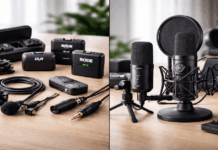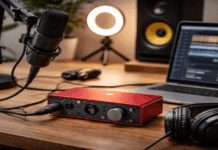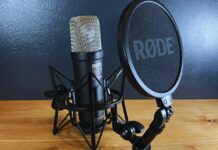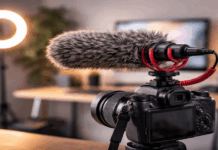
Recording a podcast at home can sound professional when the microphone fits your room, voice, and workflow. The right choice is not always the most expensive mic or the one every creator recommends.
A quiet room can make a condenser microphone sound open and detailed, while a noisy bedroom or office may work better with a dynamic microphone.
This guide helps beginner and everyday podcasters choose a practical mic without overcomplicating the setup.
Start With Your Room Before Choosing a Mic
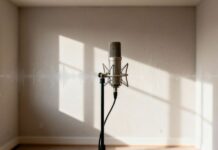
Your room affects podcast sound as much as the microphone itself. Hard walls, bare floors, fans, traffic, and echo can make even a good mic sound rough.
A microphone can improve clarity, but it cannot completely hide a noisy or reflective space. Before buying anything, listen to where you plan to record and notice what the mic will likely capture.
Dynamic Mics Work Better in Noisy Rooms
Dynamic microphones are often used for podcasting because they focus well on voices recorded close to the mic. They usually pick up less room echo and background noise than many condenser microphones.
This makes them useful for bedrooms, shared spaces, and normal home offices that are not treated like studios. If your room has fans, traffic, or echo, a dynamic mic may save editing time.
Condenser Mics Need More Room Control
Condenser microphones can sound detailed, bright, and natural when the recording space is controlled. The tradeoff is that they often capture more of the room, including keyboard noise, echo, and background sounds.
This can work well if you record in a quiet space with soft materials nearby. If your room is lively, you may need curtains, rugs, blankets, or closer mic placement to keep the voice clear.
Also Read: How to Get Natural-Looking Light Indoors for Home Recording – Bright, Balanced & Flattering Results
Choose the Connection That Fits Your Workflow
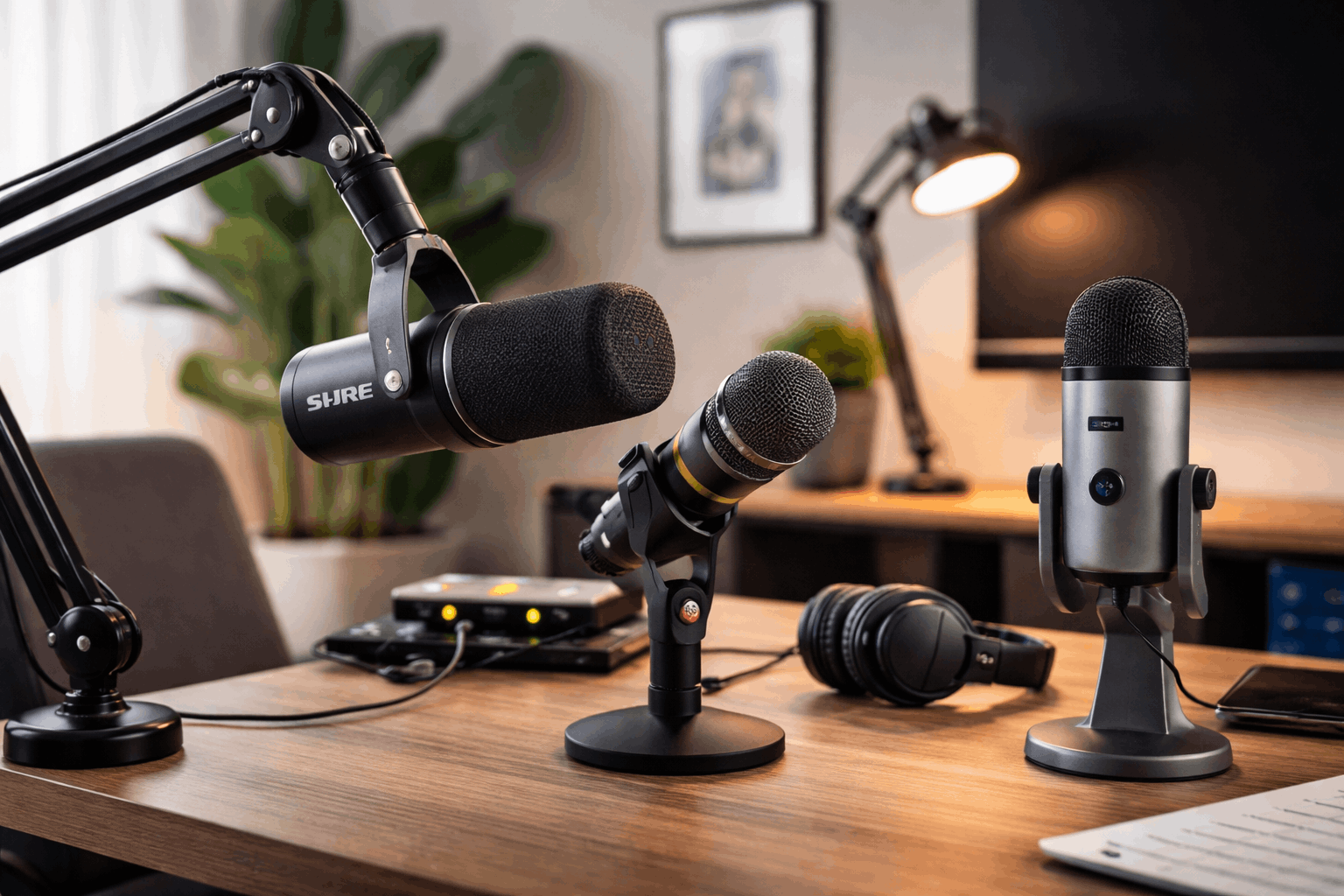
The next decision is whether to choose USB, XLR, or a microphone that supports both. This matters because it affects setup time, upgrade options, and how many microphones you can use later.
A solo podcaster may want the simplest path, while interview-style shows may need more flexibility. The best choice is the one that matches how you will actually record each week.
USB Mics Are Easier for Beginners
USB microphones are the simplest starting point for most solo podcasters. They connect directly to a laptop or desktop without needing an audio interface.
This makes them practical for creators who want to record quickly and avoid extra cables. Options like the Elgato Wave:3, Blue Yeti, Audio-Technica AT2020USB-X, and RØDE NT-USB+ fit this plug-and-play category.
XLR Mics Are Better for Growth
XLR microphones make more sense when you want better control, multiple microphones, or a setup that can grow over time.
They need an audio interface, which adds cost and setup steps. The advantage is that XLR setups scale better for co-hosts, guests, and more advanced recording chains.
Models like the Shure MV7X and RØDE PodMic are common choices for podcasters building around an interface.
Match the Mic to the Podcast You Record
The best microphone depends on the podcast format, not just the product name. A solo desk podcast has different needs from a two-person interview or a creator who records across multiple devices.
Think about how often you record, where you record, and whether you plan to upgrade later. This keeps the purchase focused on your real workflow instead of a general “best mic” list.
Flexible Mics Are Useful for Long-Term Setups
A microphone with both USB and XLR support can be useful if you want to start simple and upgrade later. The Shure MV7+ and Samson Q2U are examples of this flexible path.
You can begin with USB, then move to XLR if you later buy an interface or add more gear. This is a practical option for creators who do not want to replace their first mic too quickly.
Budget Mics Can Still Sound Good
A lower-cost microphone can still produce good podcast audio when used correctly. Mic technique matters a lot, especially distance, angle, gain, and room noise.
Speaking close to the mic, reducing echo, and keeping background noise low can make an affordable mic sound much better. Options like the Samson Q2U or FIFINE AM8 are useful starting points for tight budgets.
Avoid Common Home Podcast Mistakes
Many podcast audio problems come from setup habits, not from the mic itself. A good microphone placed too far away can sound worse than a basic mic used properly.
High gain, noisy rooms, and changing mic positions can also create inconsistent sound. Simple habits make your recordings easier to edit and more pleasant to hear.
Keep the Mic Close and Consistent
For most home podcast setups, keep the microphone around a fist’s distance from your mouth. This helps your voice sound fuller and reduces the amount of room noise being captured.
Try to speak at a steady angle instead of moving around too much during recording. Consistent placement helps each episode sound more even.
Watch Gain, Plosives, and Echo
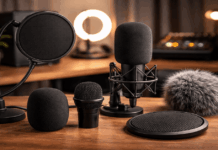
Gain that is too high can make background noise and mouth sounds more noticeable. A pop filter or foam windscreen can help reduce harsh plosive sounds from letters like P and B.
Soft materials in the room can reduce echo and make the voice feel closer. These small fixes often improve sound more than switching to a different microphone.
Use this simple buying guide before choosing:
- Choose USB if you record solo and want the easiest setup.
- Choose XLR if you plan to record guests or build a long-term podcast chain.
- Choose dynamic if your room is noisy, echoey, or shared.
- Choose condenser if your room is quiet and you want more detail.
- Choose USB/XLR if you want a beginner mic that can grow with your setup.
Compare Popular Podcast Mic Options Carefully
Product lists can be helpful, but they should not be treated like one-size-fits-all answers. A microphone that works well for one creator may not fit your space, voice, or recording habits.
Instead of chasing the most popular model, compare what each mic is best suited for. This helps you buy based on use, not hype.
Good Picks for Simple Desk Recording
For a simple creator desk, the Elgato Wave:3 is a practical USB condenser for podcasting, streaming, and voice work. The Blue Yeti is familiar and flexible, especially for creators still testing different recording styles.
The Audio-Technica AT2020USB-X can work well for clean solo recording when the room is reasonably controlled.
The RØDE NT-USB+ is useful for creators who want a USB condenser that can fit laptop and mobile workflows.
Good Picks for Broadcast-Style Sound
For a more broadcast-style setup, dynamic microphones are often easier to manage at home. The Shure MV7+ is a strong flexible option because it supports both USB and XLR.
The Shure MV7X and RØDE PodMic are better suited to creators who already use or plan to use an audio interface. These choices work especially well when the mic stays close and the room is not perfectly treated.
Choose the Mic That Fits Your Room and Routine
The best podcast microphone is the one that gives you clear, repeatable sound in the space you actually use. Start with your room, then decide whether USB, XLR, dynamic, or condenser fits your workflow.
Keep the mic close, control echo, and test your levels before recording full episodes. A practical setup used consistently will usually sound better than expensive gear used without a plan.