A phone or webcam can produce a cleaner image when the lighting is controlled and the subject is properly exposed. For home videos, the real choice is often between a ring light and a softbox, two tools that improve faces, colors, and detail in different ways.
This comparison is useful for creators filming tutorials, calls, streams, product demonstrations, beauty content, or YouTube videos in a bedroom, office, or corner of a living room.
It explains what each light changes on camera, where each one struggles, and how to choose a setup you will actually use.
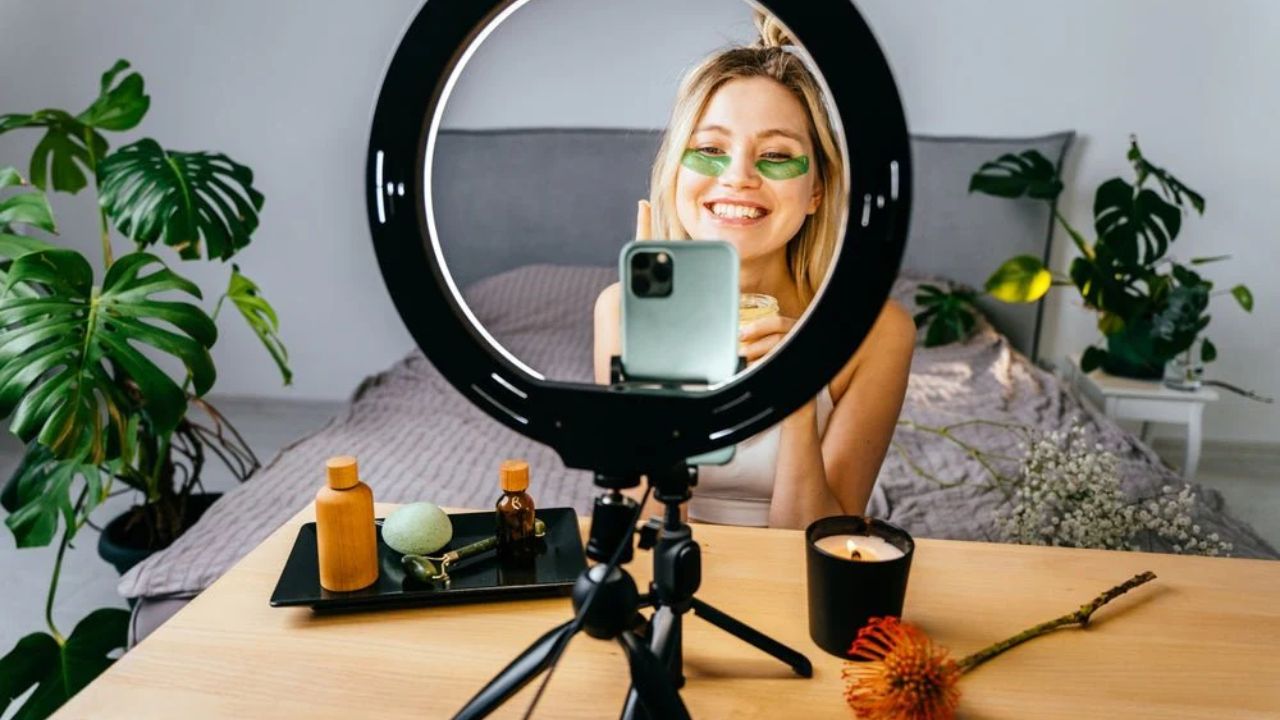
A Ring Light and a Softbox Create Different Kinds of Light
Both options can reduce grain and help a camera capture a cleaner image, but they do not shape a face or background in the same way. The better option depends on the look you want and the space you have.
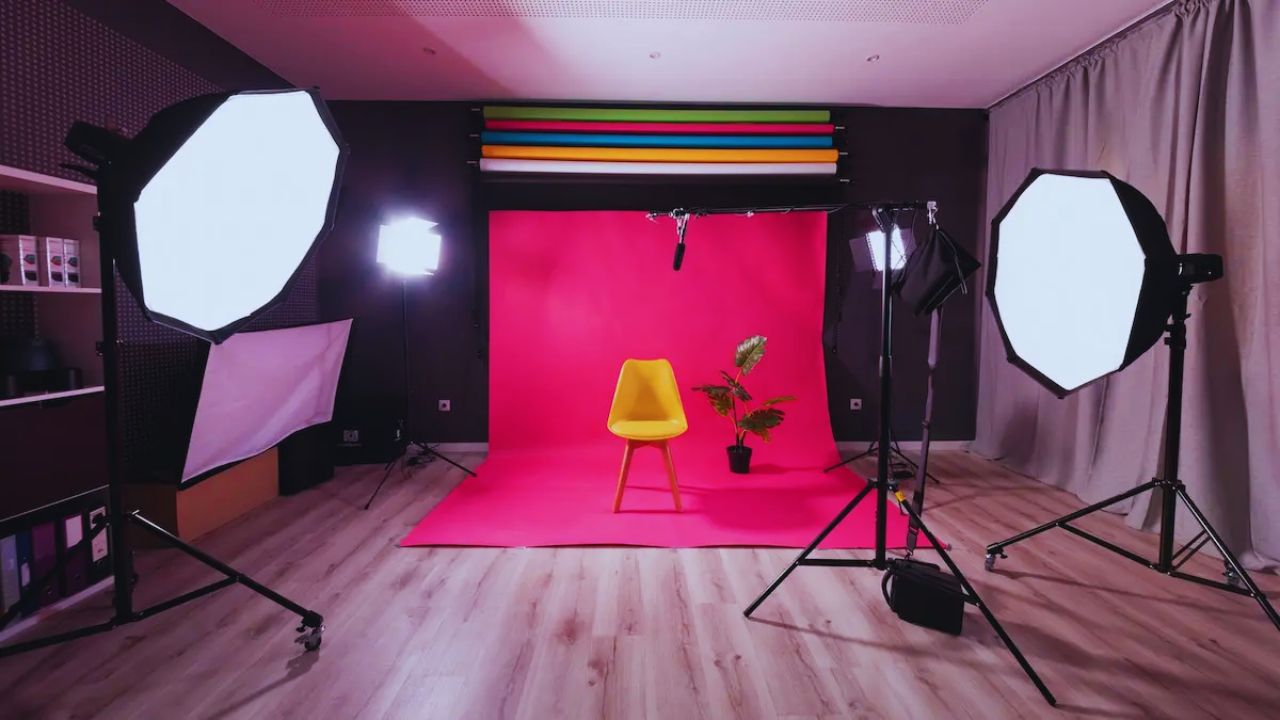
Why a Ring Light Feels Quick and Direct
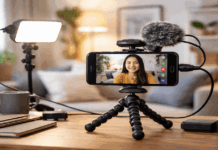
A ring light places its LEDs around the camera, so the light comes straight toward your face instead of from one side.
That front facing position can soften shadows under the eyes and nose, which is helpful for desk videos, livestreams, and social clips.
It is usually compact, easy to adjust, and fast to move when you work in a small room. The tradeoff is a flatter image with an obvious circular catchlight in the eyes.
Why a Softbox Looks Softer and More Shaped
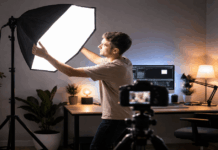
A softbox spreads light through a larger fabric surface, creating a broader source that can wrap around the face more gently.
When it sits slightly to one side and above eye level, it leaves controlled shadows that give the image depth without making it look dramatic.
This can feel closer to window light, especially for interviews, cooking videos, and educational content. It takes more floor space, but it gives more natural shaping and better reflection control.
Let Your Room and Framing Decide Before You Buy
The same light can look excellent in one setup and awkward in another because distance, room size, and framing change the result. Think about your recording area and your usual shot size before choosing gear.
A Ring Light Suits Tight Spaces and Desk Based Content
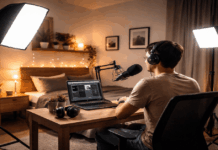
A ring light can be useful when you record at a desk, sit close to the camera, or need to pack it away after filming.
It gives a straightforward boost to webcam calls, beauty tutorials, live sessions, and vertical clips where your face fills most of the frame.
It is also easier to position when there is little room for a wide stand or a large modifier. However, a small ring may not light a full body shot or a wide background evenly.
Also Read: How Many Lights Do You Really Need for Home Recording?
A Softbox Has More Room to Cover Wider Scenes
A softbox is usually more comfortable for standing videos, product demonstrations, craft tables, or two person conversations.
Its larger surface can light more of the scene without forcing your camera to use a sensitivity setting. That extra coverage helps when hands, products, and backgrounds are visible rather than only your face.
The limitation is practical: a softbox needs stand clearance and enough distance from you to spread its light properly.
Use One Light With a Setup You Can Repeat
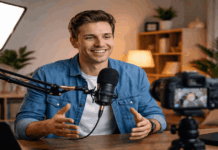
One light can produce a strong result when it is placed carefully and adjusted for the way you speak, move, and frame the shot. Start simple, then make changes after reviewing a short test clip instead of changing settings at once.
Place a Ring Light Slightly Above the Camera
Set the ring light just above eye level, angle it down a little, and place it an arm’s length away. Lower the brightness until shiny spots on the forehead, nose, or cheeks become less distracting, then adjust camera exposure rather than increasing the light again.
If you wear glasses, raise the light slightly higher and tilt it downward to move the reflection out of the lenses. This gives you even face light without strong glasses glare.
Position a Softbox Off to One Side
Place a softbox around 30 to 45 degrees to one side of the camera, slightly above eye level, and aim it down toward your face.
Begin farther back than expected, then move it closer if the image remains too dark. A softbox placed too low can create strange shadows, while one placed too close can brighten one side of the face too much.
Keep nearby lamps consistent so mixed color temperatures do not make skin tones look uneven.
Watch for Reflections, Backgrounds, and Camera Noise
Lighting is not only about making your face brighter. It affects shine on glasses or products, the balance between you and the background, and how hard your camera has to work.
Deal With Glasses, Skin Shine, and Glossy Products
A ring light can create a visible circle in glasses, while shiny skin, packaging, and screens may show a strong reflected shape.
Moving the light a few centimeters, raising it above eye level, or turning it slightly can solve the issue without changing the entire setup.
Softboxes often make reflections less distracting because their light appears broader and less concentrated, but angles still matter. Test the reflective surfaces in your shot before recording the video.
Give the Background Enough Attention
A bright face against a completely dark room can work for a quick call, but it may feel flat or disconnected in a longer video.
Ring lights often concentrate their effect on the person, while a softbox can create a more cohesive scene when it reaches the nearby background.
A lamp or low powered light aimed at a wall, shelf, or plant can add separation without turning the room into a studio. Keep that background light subtle and warmer or matched to the main light.
Before buying, check three limits in a short test:
- Desk space
- Shot width
- Glasses glare
Conclusion: Choose the Light That Helps You Record Consistently
The ring light versus softbox decision becomes simpler when you look at your room, framing, movement, and the type of content you usually make. Choose a ring light for speed and directness when close camera work and limited space matter most.
Choose a softbox for gentler shaping when you need a more natural look, wider coverage, or easier reflection control.
Whichever you start with, test placement before judging the equipment, because thoughtful light placement can improve a basic home video more than a complicated setup used badly.