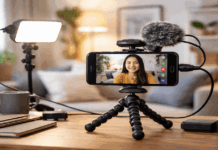
Good lighting can make a webcam, phone, or mirrorless camera look much better than expected. For creators who record in different rooms, at a desk, in hotels, or while traveling, portability matters as much as brightness.
The best portable lights for video should be easy to pack, quick to mount, and consistent enough to use without constant adjustments.
A small light will not replace a full studio, but it can make your face clearer, your background cleaner, and your footage easier to match.
What Portable Lighting Should Mean for Creators?
A portable light should do more than fit in a bag. It should also be practical when you are tired, moving fast, or working in a space that is not your usual setup.
If the light is hard to mount, hard to power, or unpredictable on camera, it may slow you down instead of helping. The best choice is the one that makes recording easier in real situations.
Size Is Only One Part of Portability
A small light is useful only if it also works with your recording setup. Look for lights that can mount on a tripod, camera shoe, phone cage, clamp, or magnetic surface.
A 1/4-inch thread, cold shoe mount, magnet, or built-in clip can save time when you need to record quickly. If a light needs too many extra parts before it becomes usable, it may not be the best travel option.
Power and Runtime Matter in Real Use
Battery-powered lights are helpful for travel, quick interviews, and filming away from a desk. USB-C power is also useful because many creators already carry chargers or power banks.
Runtime matters most when you record longer videos, livestreams, or multiple takes in one session. A light that looks good but dies quickly may create more stress than a slightly larger light with reliable power.
Choose the Right Light Type for Your Workflow
Portable lights come in different styles, and each one solves a different problem. Some are better for clean face lighting, while others work better for background color, product shots, or travel b-roll.
Instead of choosing only by brand or price, think about how the light will be used most often. This keeps your setup focused and prevents buying lights that stay in a drawer.
Pocket RGB Lights Add Flexibility
Pocket RGB lights are useful because they can work as a small key light, accent light, or background glow.
Models like the Aputure MC, Godox M1, SmallRig RM75, and Zhiyun M20C are often used by creators who want color control in a compact body.
These lights can help create mood, separate the subject from the background, or add interest to product shots. They are not always soft enough as a main face light, so diffusion or careful placement still matters.
Also Read: Simple Streaming Setup for Home Use

Bi-Color Lights Are Better for Clean Face Light
A bi-color light may be more practical if your main goal is natural-looking white light. It lets you adjust between warmer indoor tones and cooler daylight-style tones without dealing with RGB settings.
Options like compact LED panels or small bi-color units can work well for talking-head videos, desk recordings, and quick interviews. If you do not need colorful backgrounds, bi-color lighting is often simpler and easier to repeat.
Larger Portable Kits Work Better at Home
Pocket lights are convenient, but they can feel limited when you need broader face lighting or a larger setup.
A two-light kit with stands and diffusion can give more even coverage for YouTube videos, tutorials, livestreams, and interviews.
These kits are less pocket-friendly, but they are still portable enough to store in a bag or move between rooms. They make sense for creators who want a repeatable home setup without permanently installing lights.
Match the Light to Your Camera and Recording Space
A portable light should support the camera, not fight it. Phones, webcams, and mirrorless cameras all react differently to low light, color shifts, and harsh shadows.
A good light helps the camera use cleaner exposure and better color, but only if it is placed well. Your room, background, and audio setup also affect how useful the light feels.
Use Soft Light for Faces
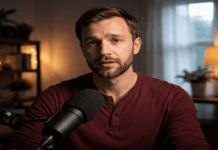
Faces usually look better with soft, controlled light instead of a harsh beam. If the light is small and close, it can create shiny skin or sharp shadows.
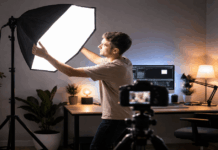
A diffuser, bounce card, small softbox, or even a white wall can help spread the light more gently. When the face is clear and comfortable to watch, even a basic camera can look more polished.
Keep Audio in Mind Too
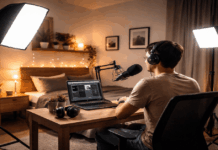
Portable lights should not make your audio setup harder. If a light has a fan, place it far enough from the microphone that it does not become part of the recording.
Small lights without fans are often easier for podcasts, desk videos, and quiet rooms. Good lighting helps the image, but clean audio still matters if people are expected to listen closely.
Compare Portable Lights Without Overbuying
Many portable lights look similar online, but they do not all solve the same problem. Some are best for travel, others for desk work, and others for small home studios.
Before buying, compare the light against your real recording habits. A simple light you use every week is better than a powerful one that feels annoying to set up.
Check the Features That Actually Matter
Focus on practical features before extra effects. Color temperature range, brightness control, mounting options, battery life, and quiet operation matter more than flashy modes for most creators.
RGB effects can be useful, but they should not replace good white light if you mostly record talking videos. A light should make your main content easier first, then add creative options second.
Use this quick buying check before choosing:
- Choose a pocket RGB light if you need travel color, accents, or background mood.
- Choose a bi-color panel if you mainly need clean face lighting.
- Choose a desk light if you mostly record at a fixed workstation.
- Choose a two-light kit if you need wider home coverage.
- Choose USB-C or battery power based on where you record most.
Avoid Common Portable Lighting Mistakes
One common mistake is placing a small light too close to the face without diffusion. Another is using colorful RGB light as the main face light, which can make skin tones look strange.
Many creators also forget to charge lights before recording, which can interrupt a session. Keep the setup simple enough that you can repeat it without checking ten different settings.
Make Portable Lighting Easy to Repeat
Portable lighting works best when it becomes part of a small routine. Save your usual brightness, color temperature, and mounting position whenever possible.
Keep the light, cable, mount, and mini tripod together in one pouch so nothing disappears before recording. A portable setup should feel quick, calm, and predictable.
Build a Small Creator Light Kit
A useful kit does not need many pieces. One compact key light, one charging cable, one small stand or clamp, and one diffuser can already cover many situations.
If you use background color often, add one pocket RGB light as a second piece. Keeping the kit small makes it more likely that you will actually bring it and use it.
Test Before Recording the Full Video
A short test clip helps you catch glare, harsh shadows, weak battery, or strange color before filming the full take.
Check your face first because skin tone and exposure are usually the most noticeable parts of the frame.
Then check the background to make sure the light is not creating distracting reflections. This quick habit saves editing time and helps your videos look more consistent.
Conclusion
The best portable light is the one that matches where and how you actually record. If you film mostly at a desk, choose a simple light that stays ready there.
If you travel often, choose a compact light with reliable power and easy mounting. Start with clean face lighting first, then add color or extra coverage only when it solves a real problem.