Creating consistent video quality at home depends heavily on how lighting is planned, selected, and adjusted across different times of day.
Natural light during the daytime behaves very differently from artificial light used at night.
Matching lighting conditions helps videos look cohesive, professional, and comfortable to watch.
Day vs. Night Recording — Lighting Comparison
| Category | Day Recording | Night Recording |
|---|---|---|
| Primary Light Source | Natural daylight from windows | Artificial lighting such as LED panels, softboxes, or ring lights |
| Typical Color Temperature | 5,000K–6,500K with cooler and neutral tones | 2,700K–3,200K unless daylight-balanced lights are used |
| Exposure Stability | Varies with time of day, weather, and season | Fully stable and repeatable across sessions |
| Pros | Natural look, soft shadows, low cost, minimal equipment | Full control, consistent results, no reliance on weather |
| Cons | Inconsistent brightness, changing shadows, weather dependency | Requires equipment investment, setup time, power use |
| Required Lighting Equipment | Optional fill light, reflector, curtains or blinds | Key light, fill light, optional back light, diffusers |
| Environment Control | Managing window light and room orientation | Dedicated light placement and stand positioning |
| Camera Setup Needs | Manual white balance recommended | Fixed white balance and locked exposure |
| Best Practices | Record at the same time daily and block mixed indoor light | Use one lighting system set to daylight temperature |
| Consistency Across Videos | Medium and harder to match over multiple days | High and easy to replicate |
| Ideal Use Case | Casual content, lifestyle videos, quick recordings | Professional content, tutorials, long-term series |
| Overall Control Level | Limited | High |
Understanding Color Temperature
Color temperature defines how warm or cool a light source appears on camera.
Daylight typically falls in a cooler range, while most indoor lights produce warmer tones.
Cameras interpret these differences clearly, even when the human eye adapts naturally.
Managing color temperature is essential for matching day and night recordings.
Daytime Recording and Natural Light
Natural daylight usually ranges around 5,000K to 6,500K, creating a cool and neutral look.
Windows provide soft illumination but change intensity and direction throughout the day.
Cloud cover, time, and room orientation all affect consistency in daytime footage.
Night Recording and Artificial Light
Artificial lighting often sits between 2,700K and 3,200K, producing warmer tones.
Household bulbs can introduce yellow or orange color casts on skin tones.
Using adjustable video lights helps neutralize warmth during nighttime recording.
Why mix day and night recording?
Mixing day and night recording is a practical choice for many home creators because it balances flexibility, consistency, and production efficiency.
- First, mixing both allows creators to record whenever time is available, not only during daylight hours. Many home creators work around jobs, studies, or family schedules that make daytime-only recording unrealistic. Night recording extends production time without sacrificing output.
- Second, using the same lighting setup for day and night helps maintain visual consistency across videos. Artificial lights can override changing daylight conditions when used during the day. This approach prevents noticeable shifts in color, brightness, and shadows between episodes.
- Third, mixing setups reduces dependence on unpredictable natural light.
Weather, seasons, and window direction affect daylight quality and duration.
Artificial lighting provides a stable fallback when daylight is weak or inconsistent. - Fourth, a mixed approach supports batch recording and long-term content planning. Creators can film multiple videos across different days and times with the same visual result. This consistency simplifies editing, branding, and audience expectations.
- Finally, mixing day and night recording helps creators scale production without upgrading locations.
A controlled lighting setup turns any time into a viable recording window.
This flexibility is especially valuable for home studios with limited space and resources.
Choosing the Right Lighting Equipment
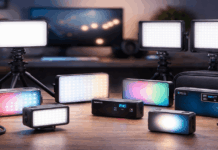
Selecting proper lighting equipment allows creators to control brightness and color temperature.
Modern video lights are designed to adapt easily between day and night conditions.
Consistency becomes easier when the same lights are used regardless of time. Reliable equipment reduces the need for heavy post-production correction.
Ring Lights
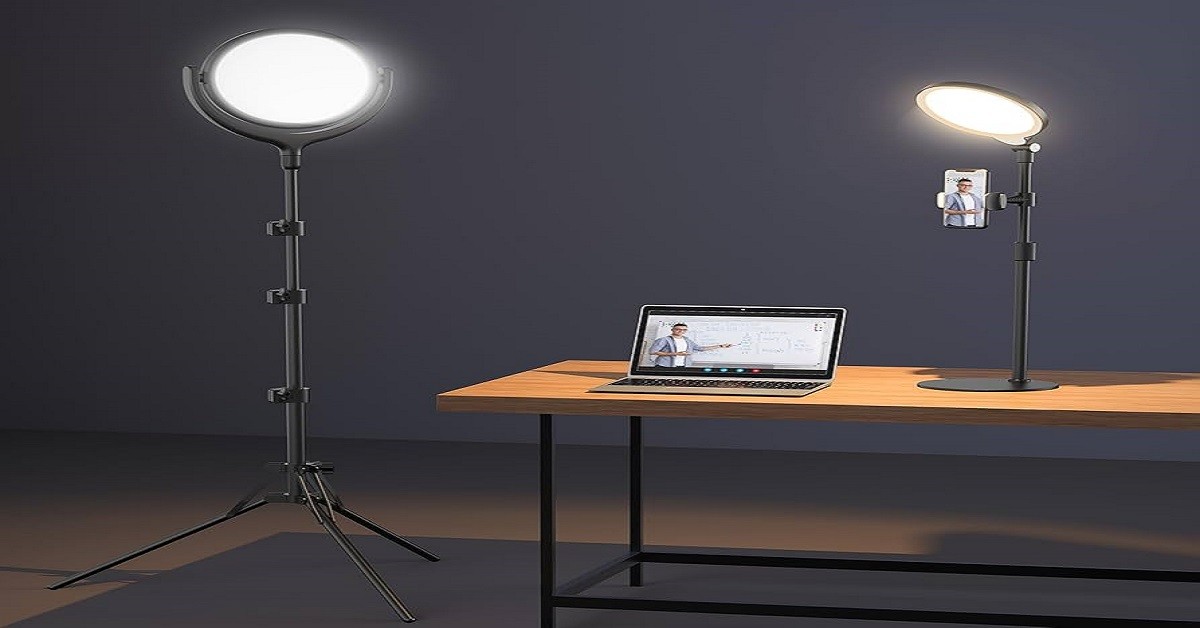
Ring lights provide even frontal illumination that minimizes facial shadows.
Many models offer adjustable color temperature to simulate daylight or indoor light.
A popular example is the Elgato line, which integrates precise color controls.
Softboxes
Softboxes diffuse light to create a natural and flattering appearance. They work well for both daytime fill and nighttime primary lighting.
Their size helps mimic window light when natural light is unavailable.
LED Panels
LED panels offer flexibility in brightness and color adjustment. They can be positioned easily in small home studios.
Bi-color panels are especially useful for matching changing light conditions.
Matching Day and Night Setups
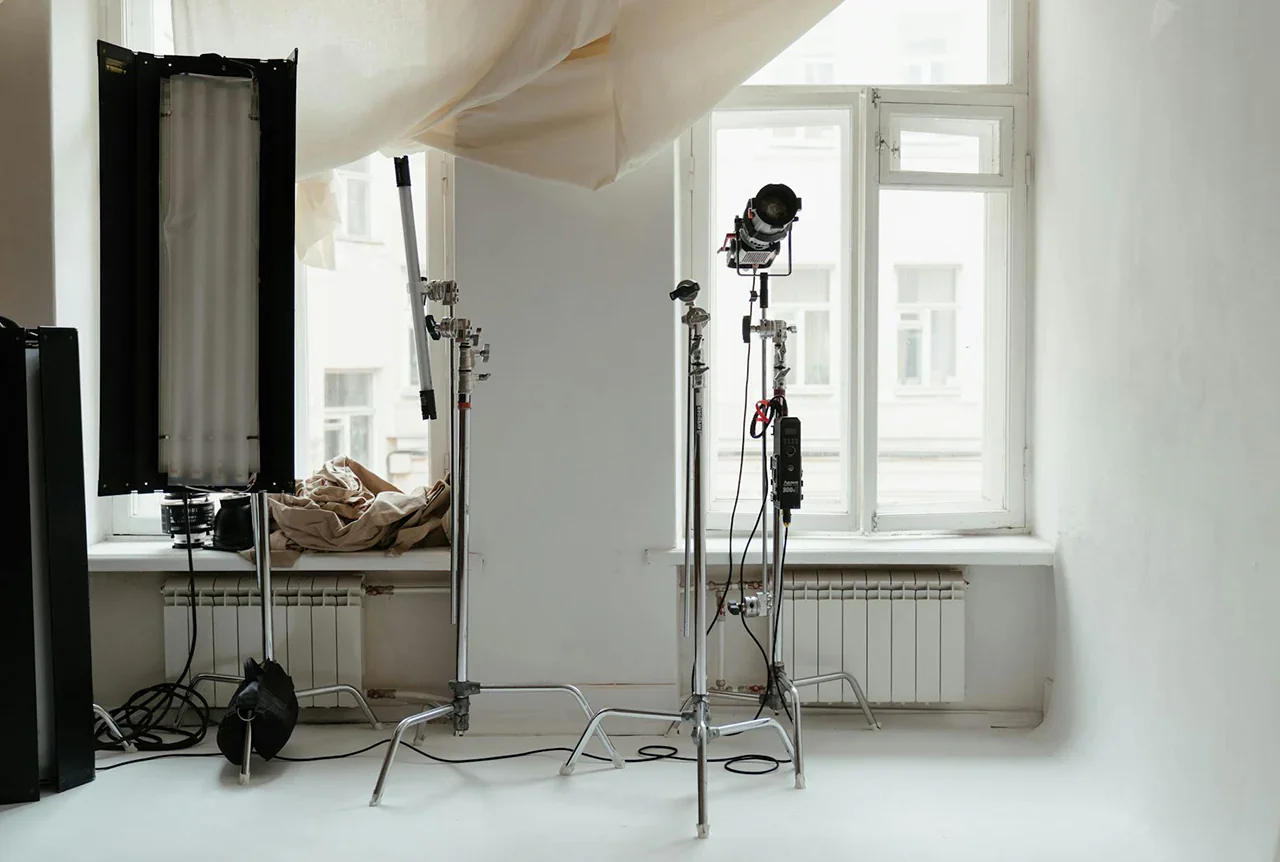
Consistency between recordings builds a recognizable visual style. Viewers notice shifts in color and exposure even across different videos.
Matching setups saves time during editing and reshoots. Planning lighting for both scenarios avoids visual discontinuity.
Balancing Natural and Artificial Light
Artificial lights should be adjusted to match daylight color temperature when recording during the day.
At night, those same lights become the primary source and should remain unchanged.
Closing curtains during daytime recording can help maintain consistency.
Placement and Light Control
Light placement affects depth, mood, and clarity more than brightness alone. Poor positioning can create shadows that change between recordings.
Controlled placement ensures repeatable results. Structured lighting setups are easier to replicate.
Key light defines the main direction of illumination. Fill light softens shadows without overpowering the scene.
Back light separates the subject from the background for depth.
Common Mistakes to Avoid
Mixing light sources is one of the most frequent issues in home studios. Inconsistent lighting causes color shifts that distract viewers.
Small errors compound across multiple recordings. Awareness prevents costly reshoots and editing fixes.
Combining daylight with warm household bulbs creates uneven skin tones. Cameras struggle to white balance mixed lighting accurately.
Using one controlled lighting system avoids this issue.
Final Lighting Checklist for Home Creators
Matching lighting for day and night recording is a practical skill that improves video quality.
Consistent color temperature, controlled equipment, and stable placement form the foundation.
Home creators who standardize lighting setups produce more professional and reliable content.