If you want the best budget computer microphones, focus on models that control room noise, handle close-up speaking, and stay simple to set up.
This guide compares good-quality budget microphones with verified pricing.
So, you can answer the practical question, “What is the best budget mic?” for your own setup and room.
What “Budget” Should Mean For Voice Recording
A budget mic is not just cheap. It should deliver consistent voice clarity, avoid harsh hiss, and work reliably on your computer.
For most everyday creators, the sweet spot is usually US$30–US$110.
That range includes several proven USB options and a few USB/XLR hybrids that can grow with you.
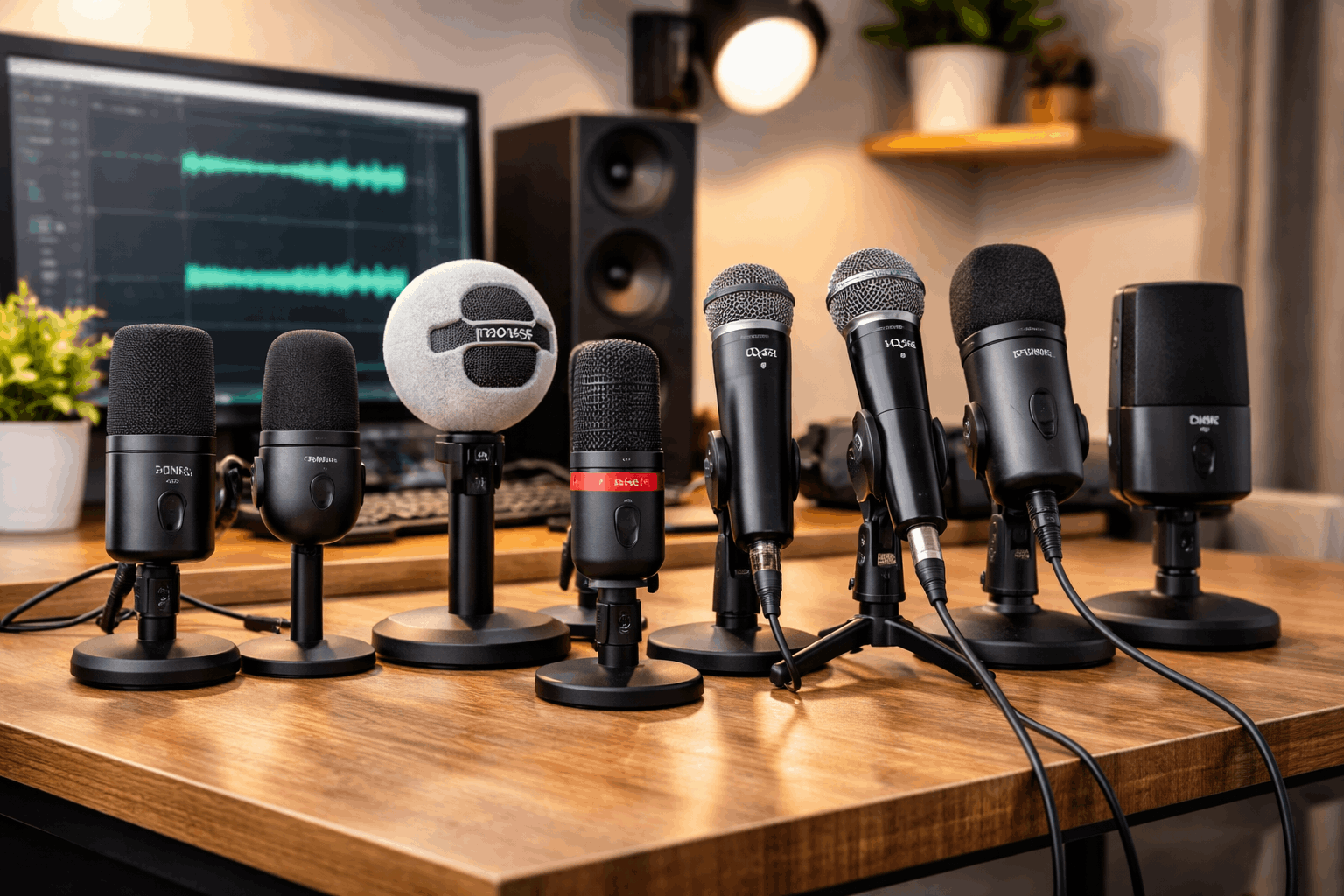
The Best Budget Microphones, Explained
These picks prioritize voice recording for home creators using simple gear.
FIFINE K669B (USB condenser) — around US$34
This is one of the lowest-cost ways to get a dedicated mic on your desk without extra gear.
It is best for quiet rooms, close speaking distance, and creators who want a simple improvement over a built-in laptop mic.
Because it is a condenser, it can pick up more room sound, so placement and gain control matter more.
Razer Seiren V3 Mini (USB condenser) — around US$35.99
This mic is a strong “small desk” option for voice work, offering a compact, easy-to-position design.
It fits creators who record voiceovers, explainers, or gaming commentary and want a clean, forward voice tone with minimal fuss.
The price listed at Best Buy makes it competitive with entry-level models that often cost more during non-sale periods.
If you use it for video, pair it with a basic stand or arm so you can keep it close to your mouth and off the desk surface.
Blue Snowball iCE (USB condenser) — US$49.99
The Snowball iCE is a long-running beginner mic because it is simple, widely supported, and easy to plug in and start using.
For home creators, it can be a practical step up for webcam videos, online classes, and basic voice recording.
It works best when placed close and slightly off-axis (not directly in front of your mouth) to reduce breath noise.
HyperX SoloCast 2 (USB-C condenser) — US$54.99
If you want a clean look and straightforward controls, the SoloCast 2 is positioned as an easy plug-and-play mic for voice and streaming.
Best Buy lists it at US$54.99, keeping it in a practical budget range while offering a newer USB-C connection.
The main advantage is reducing setup friction: fewer drivers, fewer settings, and quick compatibility with common recording apps.
Audio-Technica ATR2100x-USB (USB/XLR dynamic) — US$79.00
Guitar Center lists it at US$79.00, and the same listing notes up to 24-bit / 192 kHz digital audio capability plus direct monitoring through the mic.
In typical bedrooms and offices, a dynamic mic can help reduce room echo compared with a sensitive condenser, especially when used close to your mouth.
This is a strong choice if your space is not acoustically treated and you still want a controlled, broadcast-style voice.
Samson Q2U (USB/XLR dynamic kit) — US$99.99
The Q2U is popular because it combines a dynamic capsule (helpful for normal rooms) with both USB and XLR options.
Sweetwater lists US$99.99, and it is packaged to get you recording quickly with included accessories like a desktop stand and windscreen.
For home creators who want reliability, this “kit” approach can prevent the common problem of buying a mic only to realize you still need basic parts.
RØDE NT-USB Mini (USB condenser) — US$102.00
If your room is reasonably quiet and you want a crisp, modern condenser sound, the NT-USB Mini is a compact step up in the budget tier.
B&H lists it at US$102.00, putting it just above the psychological US$100 line but still far below many “studio” options.
It is a good fit for voiceovers, narration, and dialogue that require detail and clarity, especially when paired with careful mic placement.
| Microphone | Cons | Best choice if you… |
|---|---|---|
| Samson Q2U (USB + XLR, dynamic) | Needs closer mic placement (dynamic style), table/stand quality varies by bundle, not as “airy” as condenser mics. | …record in a normal bedroom and want clean voice with less room echo, plus an upgrade path to XLR later. |
| Audio-Technica ATR2100x-USB (USB-C + XLR, dynamic) | Stock can be limited, still wants close positioning, table stand is basic. | …want a simple USB setup now but also plan to use XLR for podcasts/voice work later. |
| RØDE NT-USB Mini (USB, condenser) | Condenser mics can pick up more room sound and keyboard noise, price is often above entry-level. | …record in a quiet space and want a clean, crisp condenser sound for videos/streams without extra gear. |
| Logitech G Blue Snowball iCE (USB, condenser) | Can capture more room tone than dynamics, larger on camera, fewer control features than newer budget models. | …need a simple, reliable USB mic for voiceovers, calls, or beginner content and you record in a fairly quiet room. |
| HyperX SoloCast 2 (USB-C, condenser) | Condenser sensitivity can catch keyboard/room noise, feature set depends on software ecosystem. | …want clean voice on a desk setup for streaming/voice chat and you can keep your room noise under control. |
| Razer Seiren V3 Mini (USB, condenser) | Condenser pickup can emphasize room reflections, limited physical controls compared with pricier mics. | …need the lowest-cost name-brand USB mic that still sounds clearly better than a built-in mic. |
| FIFINE K669/K669B (USB, condenser) | No built-in mute on the listed variant, condenser sensitivity means you’ll want good positioning and basic noise control. | …need the cheapest workable upgrade for voice recording and you’re willing to optimize placement (closer mic, quieter room). |
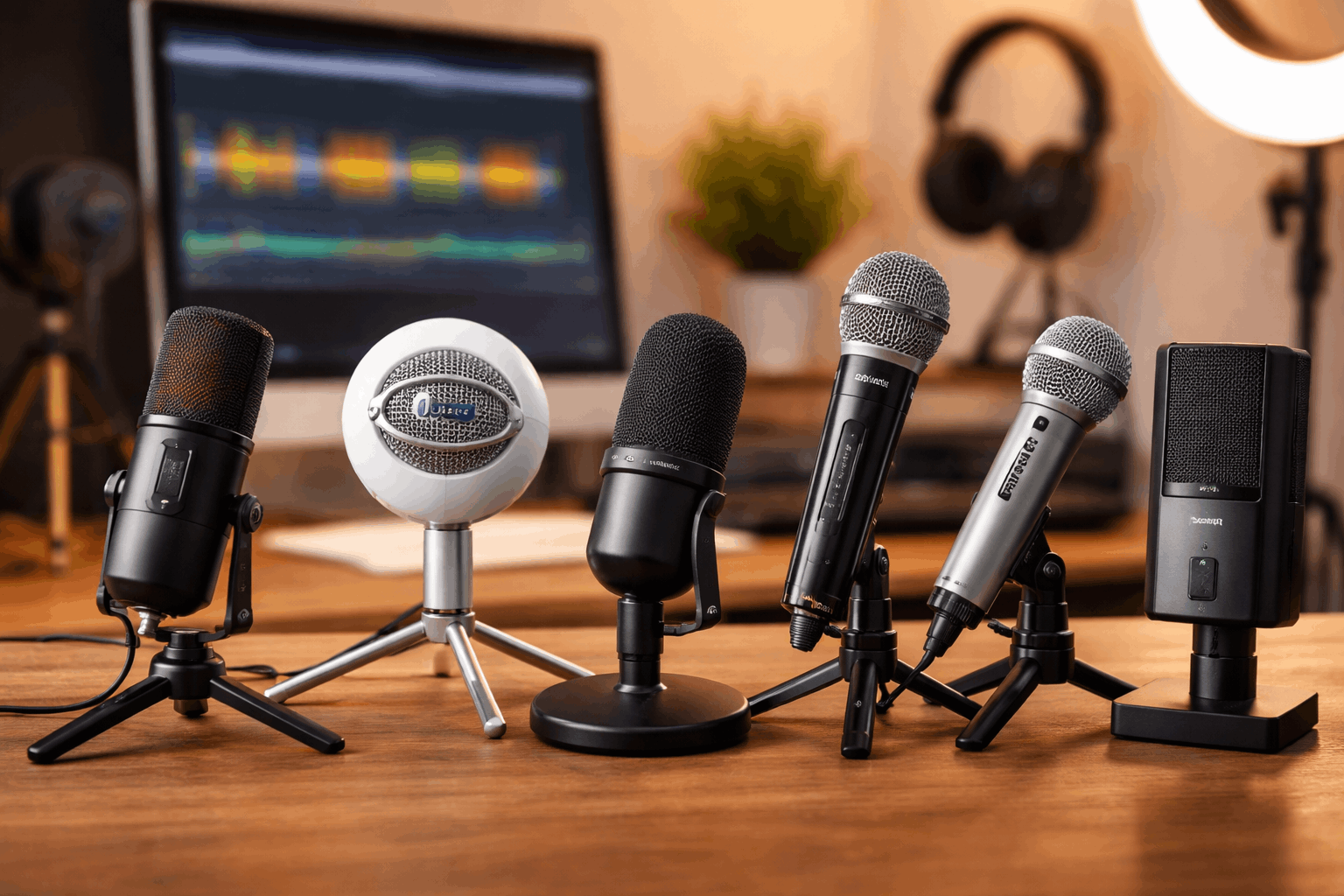
Simple Setup Tips That Make Any Budget Mic Sound Clearer
Mic choice matters, but setup often matters more than the last 10% of hardware quality. These steps are cheap and can transform results.
- Keep the mic close (about a hand-span away) and speak across it, not directly into it. This improves clarity and reduces room echo because your voice is louder than the background at the mic.
- Lower gain, raise closeness instead of turning the input gain up to “reach” your voice. High gain increases hiss and room sound, especially with small condensers.
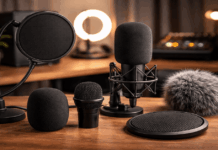
- Use basic control tools like a foam windscreen or pop filter, along with a simple stand or arm, to reduce desk vibration. The goal is a consistent mouth-to-mic distance across takes.
- Treat your immediate area first by removing hard reflections near the mic (bare walls, glass, desk surfaces). A curtain, rug, or soft material close to your recording spot often helps more than buying a different mic.
Conclusion
For most everyday creators, the best budget microphone is the one you can position correctly, monitor easily, and use consistently in your actual room.
If your space is untreated, a dynamic USB/XLR hybrid like the ATR2100x-USB or Samson Q2U can be a safer bet.
Quieter rooms can benefit from compact condensers like the NT-USB Mini.