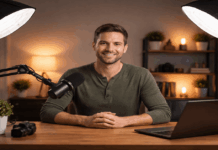
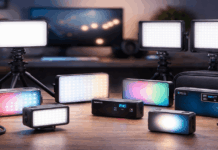
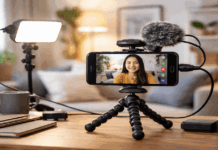
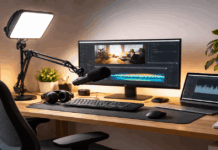
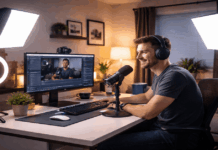
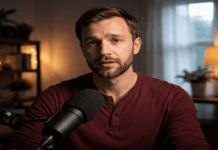
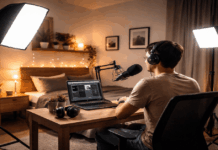
Backlighting helps most when your background is similar in color to your hair, skin, or clothing. It also helps when you shoot in rooms with clutter or flat walls that lack texture.
It can make a basic talking-head video look more dimensional with very little effort.
If you record often, it is one of the most reliable upgrades you can make.
Talking-Head Videos and Streaming
Backlighting works extremely well for YouTube, Zoom, tutorials, and livestreams. It keeps your outline clean when you move slightly or turn your head.
It also makes your face lighting look more balanced without adding harsh brightness.
Product Demos and Desk Setups
Backlighting helps separate your hands, gear, or product from the desk and background.
It adds a soft highlight on the edges of objects, which looks more “camera-ready.”
It can reduce the dull look that happens when everything is lit from the front only.
The Most Common Backlighting Mistakes
Backlighting can look great, but small errors can make it distracting fast.
The biggest problems are usually glare, blown-out spots, and poor placement. Most mistakes are easy to fix by lowering brightness and changing angles.
You do not need more expensive gear to correct them.
Creating Lens Flare or Haze
If the backlight points directly into the lens, you may get flare or a foggy look. This can reduce contrast and make your face look washed out.
A small shift in light position usually fixes it immediately.
Making the Background Too Bright
If the backlight spills onto the wall, it can pull attention away from you. This often happens in tight rooms where lights bounce everywhere.
Using a tighter beam or adding simple light control can solve it.
Where to Place a Backlight in a Small Room
Placement matters more than power, especially in bedrooms and home offices. A good starting point is behind you, slightly above head level.
The goal is a gentle edge highlight, not a bright spotlight.
Small adjustments of height and angle make a bigger difference than buying more lights.
The Basic Position That Works for Most People
Place the light behind you on the opposite side of your key light. Raise it so it aims down toward your shoulders and hairline.
Keep it out of the camera frame, even if you need to move it wider.
Backlighting for Webcam Angles
Webcams often sit high, so backlights can easily enter the shot. Try placing the backlight higher and farther back to avoid flare.
If space is tight, place it behind and to the side instead of directly behind.
Choosing the Right Light for Backlighting
You can use many different lights as a backlight, even inexpensive ones.
The best option depends on your room size, budget, and how often you film. You do not need the brightest light, but you do need control over output.
If the light has adjustable brightness and color temperature, it becomes far more flexible.
LED Panels, Tubes, and Small Lamps
Small LED panels are common because they mount easily and dim smoothly.
LED tube lights can create a cleaner rim and can double as a background accent.
Even a small lamp can work if it is diffused and positioned carefully.
RGB Lights and Color Effects
RGB lights let you create a colored rim that matches your background style. This can look good for gaming, streaming, or creative content.
Keep it subtle so the color supports your subject instead of stealing focus.
Useful Accessories for Better Backlighting
Accessories help you control spill, soften the rim, and keep the light stable.
They often improve results more than upgrading to a stronger light.
Most of them are small, affordable, and easy to use in a home studio. If you want consistency, accessories are where you get it.
Diffusion and Light Control Tools
Diffusion softens the edge so the rim looks natural instead of sharp. Barn doors, grids, or flags help keep the light from hitting the wall or lens.
A cheap white cloth diffuser can work, but keep it safely away from heat.
Tripods, Light Stands, and Mounting Options
A stable stand prevents the backlight from drifting into frame over time. Mini tripods work well for desk setups, while light stands suit full-body shots.
If you already own a tripod, a simple mount adapter can turn it into a light stand.
How Backlighting Interacts With Your Microphone and Camera
Lighting choices can affect audio and framing more than people expect.
A backlight stand can block mic placement or force your camera angle to change.
Planning where the mic, tripod, and lights go will save time every recording.
A clean setup is one where every piece fits without compromising the others.
Avoiding Shadows and Reflections
Backlights can create reflections on glasses, glossy desks, or product packaging.
They can also cast shadows if the light hits the mic arm or stand. Move the light slightly wider or higher to reduce these issues.
Balancing Exposure on Webcams
Webcams can struggle when a bright light is behind the subject. Lower the backlight brightness until your face stays correctly exposed.
If your webcam has manual exposure, lock it to avoid brightness pumping.
Simple Backlighting Setups You Can Copy Today
You can build a backlighting setup with one extra light and a few minutes of testing. A simple plan helps you repeat results every time you record.
Start with gentle brightness and increase only if you need more separation.
If you film in the same spot, mark your stand positions so you can reset fast.
One-Light Add-On to a Basic Key Light
Use your current front light as the key and add a dim backlight behind you. Keep the rim light about half as bright as the key in most home rooms.
This setup is fast and works well for daily creators.
Two-Lights Plus Backlight for a Cleaner Look
Add a soft fill light in front to reduce shadows while keeping the backlight subtle. This makes your face look natural while the rim adds depth.
It works well for tutorials, interviews, and product reviews.
A Clean Finish Without Complicating Your Setup
Backlighting is a practical skill that gives home videos a clear upgrade. It improves separation, depth, and overall polish.
With one adjustable light and a stable stand, you can get consistent results quickly.
Once you find a position that works, backlighting becomes an easy habit in every shoot.